“True innovation happens,” Prof Tony Hu emphasizes, “when we sit down with doctors, understand the challenges they face every day, and design technologies that genuinely make a difference.”
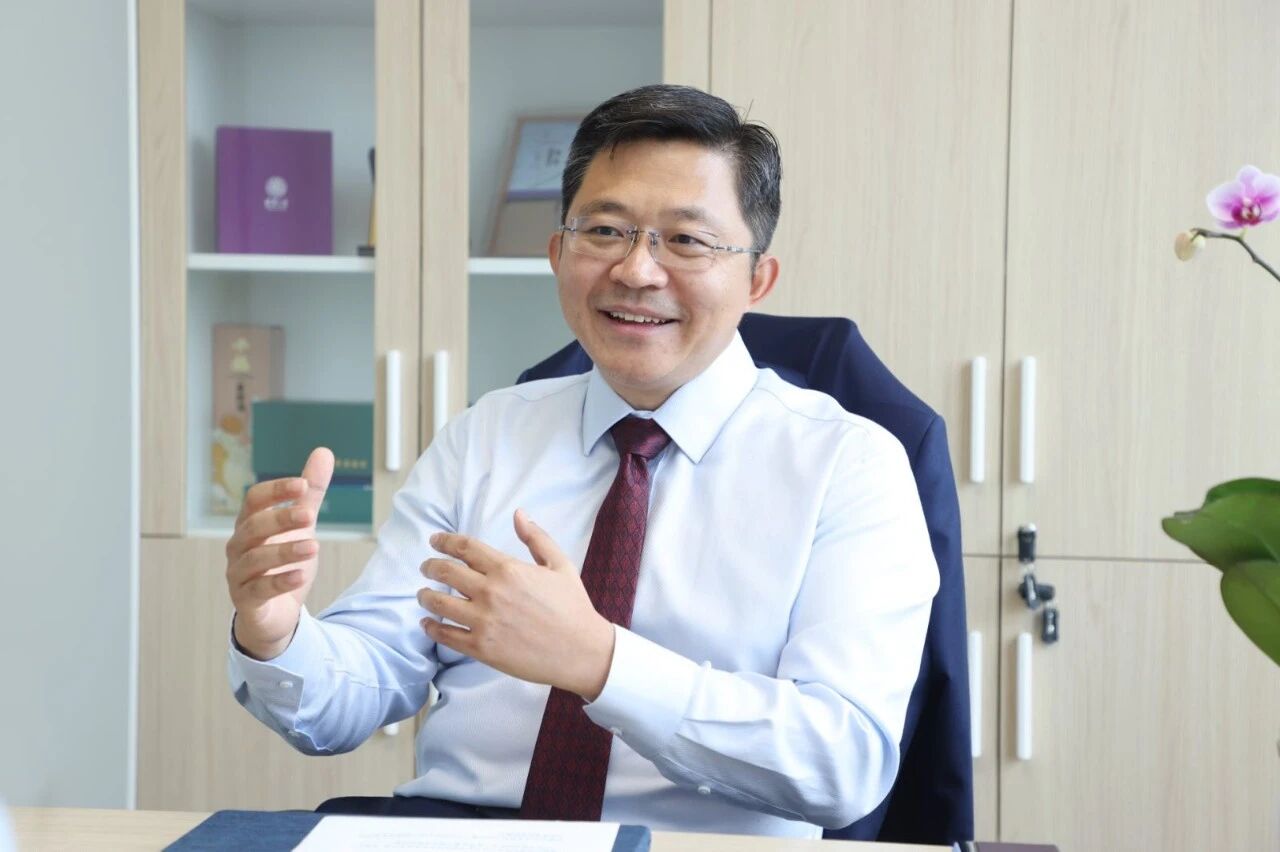
That belief has guided Professor Hu throughout his career — a journey defined by curiosity, collaboration, and an enduring commitment to bridge engineering and medicine. A world-renowned biomedical scientist, Professor Hu officially joined Tsinghua University in September 2025 as Dean of the School of Biomedical Engineering, bringing with him a vision of deeply integrated, interdisciplinary innovation.

Professor Hu’s research has long focused on using nanotechnology, multi-omics, and artificial intelligence to reimagine how diseases are detected and understood. Before returning to China, he served as Presidential Chair Professor at Tulane University, where he built an internationally recognized research program in engineering-based clinical diagnostics. His pioneering work in blood-based tuberculosis (TB) detection has been hailed as a breakthrough in global health — addressing a challenge that has persisted for decades.
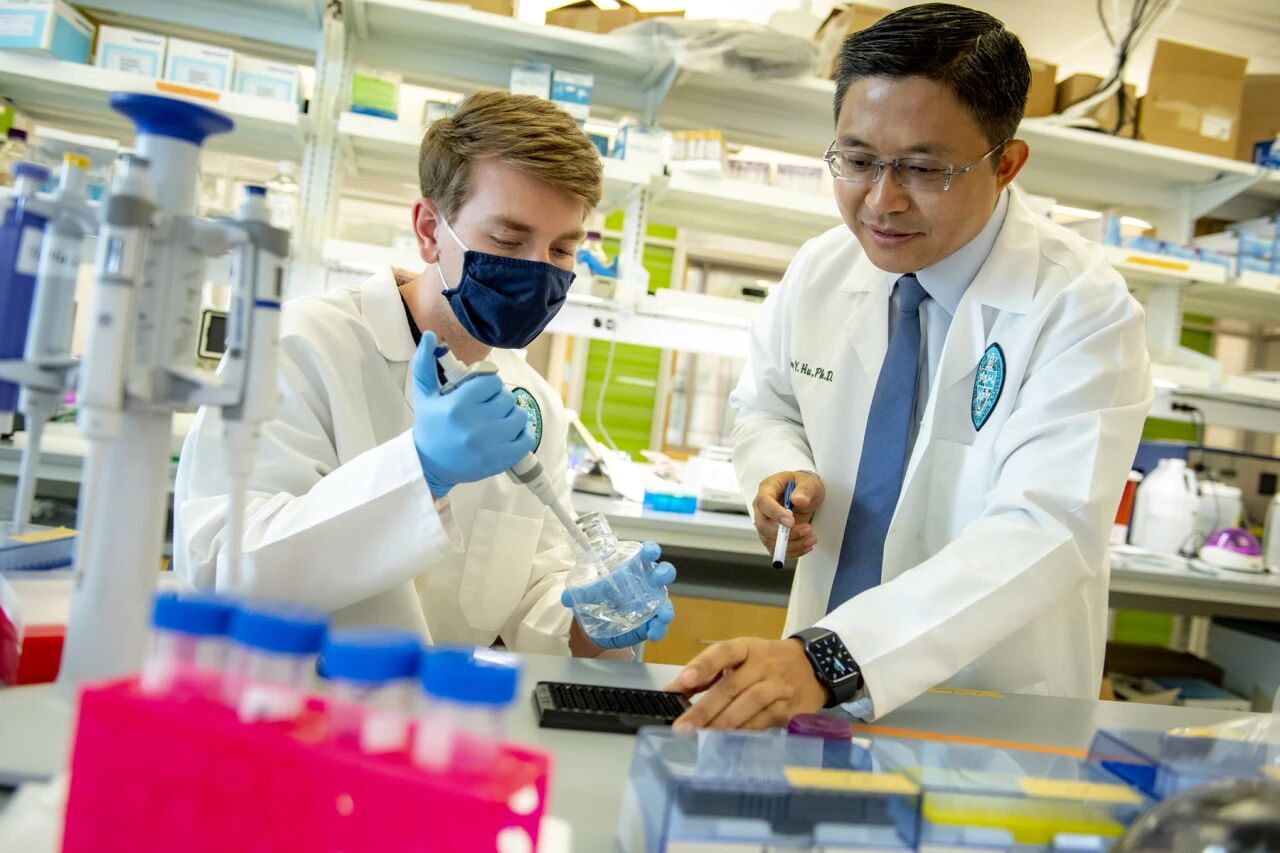
Traditional TB diagnosis relies on sputum samples, which are often ineffective for children and patients with HIV. Professor Hu and his team took a different approach: designing nanoscale systems that amplify bacterial signals in blood, dramatically enhancing sensitivity. They further integrated gene-editing–based molecular tools to achieve high specificity, paving the way for noninvasive, accurate TB screening across diverse clinical settings.

For these contributions, Prof Hu received the 2025 Special Contribution Award for Clinical Diagnostics at the American In Vitro Diagnostics Conference in Chicago.
At Tsinghua, Professor Hu envisions building an inclusive and collaborative ecosystem that connects engineering, data science, and clinical practice. “Tsinghua already has exceptional strengths in neural engineering, AI, and nanotechnology,” he notes. “The challenge now is to connect these platforms — to bring advanced technologies into real-world healthcare and accelerate diagnostic innovation.”
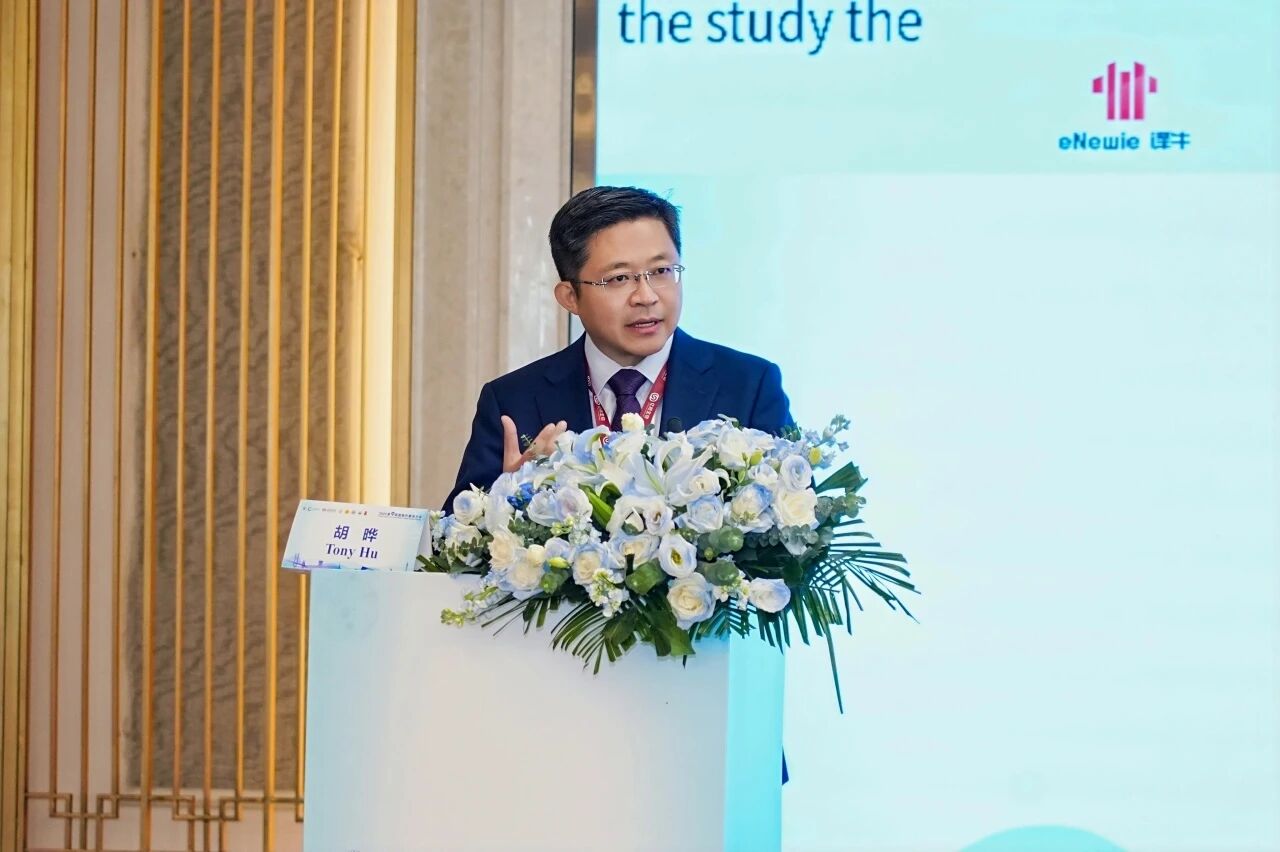
Looking ahead, his team is advancing work in personalized diagnostics, integrating multi-omics data, nanotechnology, and AI to create interactive molecular maps that capture the biological signatures of diseases such as tuberculosis, COVID-19, and pneumonia. The ultimate goal is clear: to translate laboratory discoveries into clinical tools that transform care at the patient level. Over the next five to ten years, Professor Hu aims to strengthen collaboration with clinical teams, ensuring that cutting-edge technologies are effectively integrated into real-world practice — enabling more precise, accessible, and impactful diagnostics for patients everywhere.
His approach reflects a larger vision: that the future of medicine lies not only in technological advancement, but in the human connections that make those advancements meaningful.



 News
News